Gray Divorce: Why Many Couples Separate After 60
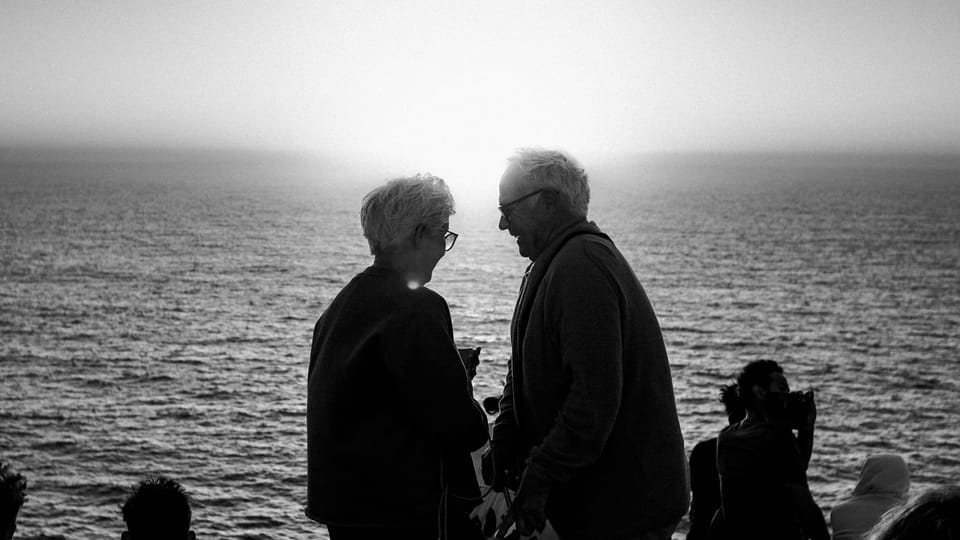
For most of modern history, divorce was associated with youth. When people imagined a marriage ending, they usually pictured couples who had been together for only a few years. If a relationship survived twenty or thirty years, it was assumed to be permanent.
But today an unexpected pattern is emerging.
Sometimes gray divorce is not the sudden collapse of a marriage but the delayed recognition of emotional distance that has existed for years. Many couples begin noticing this distance in the same way people describe when a marriage starts to feel like living with a roommate.
Across many countries, more couples are separating after the age of sixty. Sociologists and psychologists have given this phenomenon a name: gray divorce. The term refers to the growing number of divorces among older adults, often after decades of marriage.
In articles:
• What Is Gray Divorce
• The Hidden Paradox of Long Marriages
• How Retirement Changes Relationships
• When Children Leave Home
• People Change Over Decades
• The Role of Longer Life Expectancy
• Emotional Loneliness in Long Marriages
• Why Emotional Conflicts Often Appear Late in Marriage
• The Difference Between Habit and Connection
• Why Some People Choose Independence Later in Life
• The Emotional Complexity of Starting Over
• A Different Way to Understand Gray Divorce
At first glance, this trend appears puzzling. If two people have already spent thirty or forty years together, why would they decide to separate now?
The paradox becomes even more striking when we consider the stage of life in which gray divorce often occurs. Many couples separate precisely when life becomes calmer. Careers are slowing down or ending, children have become independent, and financial stability may be stronger than it was in earlier decades.
From the outside, this period should be the most stable stage of a marriage.
Yet for some couples it becomes the moment when the relationship finally ends.
Understanding why couples divorce after 60 requires looking beyond simple explanations about conflict or incompatibility. The reasons often lie in deeper psychological changes that emerge only after many years together.
Sometimes gray divorce is not the sudden collapse of a marriage. Instead, it is the delayed recognition of emotional distance that has been quietly present for decades.
What Is Gray Divorce?
The term gray divorce is used to describe divorce among couples over the age of fifty or sixty. Over the past few decades, the number of gray divorces has increased significantly in many parts of the world.
Researchers studying divorce after 60 point to several social changes that have contributed to this trend.
People live longer than they did in previous generations. A person who reaches sixty today may still have twenty or even thirty years of life ahead. This longer life expectancy changes how individuals think about relationships and personal fulfillment.
Social expectations have also evolved. Divorce no longer carries the same level of stigma that it once did. In earlier generations, couples often felt strong pressure to remain married regardless of emotional satisfaction. Today many individuals feel more freedom to reconsider long-term relationships.
These changes have created a new reality. Marriages that once would have continued until the end of life may now reach a turning point in later adulthood.
The Hidden Paradox of Long Marriages
When people imagine long marriages, they often assume that longevity is a sign of emotional strength. A relationship that lasts forty years is frequently seen as proof of deep compatibility.
But longevity and emotional connection are not always the same thing.
Some relationships endure for decades not because the partners remain deeply connected, but because life itself keeps the relationship moving forward. Work schedules, raising children, financial responsibilities, and social expectations create a powerful structure that holds the marriage together.
Within that structure, partners may not need to examine their emotional connection very closely.
In fact, there is a paradox that psychologists sometimes observe in long relationships:
Some marriages survive for decades precisely because the partners rarely confront each other emotionally.
When emotional conflicts remain unspoken, the relationship can appear stable. Daily routines continue. Responsibilities are shared. From the outside, the marriage looks successful.
But emotional distance can quietly accumulate beneath the surface.
For years this distance may remain invisible, protected by the busyness of life.
Only later, when the external structure changes, does the true emotional landscape of the relationship become visible.
How Retirement Changes Relationships
One of the most significant turning points in later-life marriages is retirement.
For many couples, work has shaped the rhythm of life for decades. Careers determine schedules, social interactions, and daily routines. Even when partners live together, they may spend large portions of the day in separate environments.
Retirement suddenly changes this structure.
Couples often begin spending far more time together than they did during their working years. At first this can feel like a welcome opportunity to reconnect. Many partners look forward to shared activities, travel, and a slower pace of life.
But increased proximity can also reveal dynamics that previously went unnoticed.
When work no longer absorbs attention, emotional patterns within the relationship become more visible. Differences in communication styles, expectations, and personal interests may feel stronger than before.
In some cases retirement strengthens a relationship by creating new opportunities for connection.
In other cases it exposes emotional distance that had been hidden for years.
For some couples, this period becomes the beginning of serious reflection about whether the relationship still provides the emotional fulfillment they desire.
When Children Leave Home
Another important turning point in long marriages occurs when children become independent.
For many years parenting can serve as the central project of a relationship. Couples coordinate schedules, share responsibilities, and organize their lives around the needs of their children.
During this period the partnership functions as a team.
Even if emotional intimacy between partners becomes weaker, the shared purpose of raising a family continues to hold the relationship together.
The Emotional Complexity of Starting Over
One aspect of gray divorce that receives less attention is the emotional complexity of beginning again after many years of marriage.
Ending a long relationship does not erase the shared history between partners. Even when couples decide to separate, the decades they spent together remain a central part of their lives.
For this reason, gray divorce often involves a mixture of emotions.
There may be relief, especially if the relationship had felt emotionally distant for many years. But there may also be grief for the life that once existed and for the expectations that accompanied it.
Many individuals who experience divorce after 60 describe the process as both liberating and disorienting.
On one hand, it offers the possibility of redefining one's life in later adulthood. On the other hand, it requires adjusting to a new identity after decades of partnership.
Some people eventually form new relationships that reflect their current values and priorities. Others focus on personal independence and friendships rather than romantic partnerships.
But when children leave home, the structure of daily life changes.
Partners who once focused on parenting may suddenly find themselves facing each other without the same shared responsibilities. Conversations that once revolved around family logistics begin to fade.
At this stage couples sometimes rediscover their connection as individuals rather than parents.
But in other cases the absence of shared responsibilities reveals a deeper question:
What remains between us when the roles that once defined our relationship disappear?
For some couples the answer is emotional closeness built over decades.
For others it is the realization that their connection has gradually weakened over time.
People Change Over Decades
Another reason gray divorce occurs is that people change significantly over long periods of time.
A marriage that lasts forty years connects two individuals who have passed through many stages of life together. Over those decades, personal values, interests, and priorities can evolve dramatically.
In the early years of a relationship, partners often share similar goals. They may be focused on building careers, creating families, and establishing stability.
But as life progresses, personal identities continue to develop.
One partner may become more introspective, exploring questions about meaning, identity, and emotional fulfillment. The other may remain oriented toward practical routines and familiar patterns.
Neither direction is inherently right or wrong.
However, when partners evolve in different psychological directions, the emotional connection that once united them can gradually weaken.
These changes rarely happen suddenly. Instead, they unfold slowly over decades.
By the time couples reach their sixties, the differences between their inner worlds may feel more pronounced than they did earlier in life.
The Role of Longer Life Expectancy
Longer life expectancy has also transformed how people think about relationships in later life.
In previous generations, reaching sixty often meant entering the final stage of life. Couples who had remained married until that point typically continued their relationship without major reconsideration.
Today the situation is different.
A person who divorces at sixty may still have twenty or thirty years ahead of them. This extended lifespan encourages many individuals to reflect more carefully on the quality of their relationships.
Instead of asking whether a marriage has lasted a long time, people begin asking a different question:
How do I want to live the next decades of my life?
For some individuals the answer involves maintaining the marriage and deepening emotional connection with their partner.
For others it leads to the realization that the relationship no longer provides the emotional companionship they desire.
Emotional Loneliness in Long Marriages
Another factor often associated with gray divorce is emotional loneliness within marriage.
Emotional loneliness inside long marriages is more common than many people expect. This experience is explored in more detail in our article Why You Can Feel Lonely in a Marriage.
Loneliness is usually imagined as the experience of being physically alone. Yet psychologists increasingly recognize that loneliness can exist even within long relationships.
A person may share a home, daily routines, and decades of history with a partner while still feeling emotionally disconnected.
Understanding emotional closeness is essential when examining why long marriages sometimes lose their connection. The deeper psychological meaning of intimacy is explored in our article What Intimacy Really Means in a Relationship, which examines how emotional presence differs from simple companionship.
This type of loneliness can remain hidden for many years.
During the busy phases of life - careers, raising children, managing responsibilities — emotional distance may be overshadowed by practical cooperation.
But later in life, when external demands decrease, emotional experience becomes more noticeable. Some individuals begin to realize that their relationship has gradually shifted from emotional intimacy to practical partnership.
The marriage still functions.
But the emotional connection that once defined it feels less visible.
For some couples this realization leads to renewed efforts to reconnect.
For others it leads to the difficult decision to separate.
Why Some Couples Stay Together
Despite the rise of gray divorce, many long marriages remain stable and fulfilling.
What distinguishes couples who stay together from those who separate?
Psychologists suggest that long-term relationship stability often depends on the ability of partners to continue evolving together. When couples remain curious about each other’s thoughts, emotions, and personal development, emotional intimacy can continue to grow even after decades together.
Shared values and mutual respect also play important roles.
Couples who maintain open communication and emotional support are often able to navigate life transitions — retirement, aging, changing identities — without losing their connection.
In these relationships, longevity is not simply the result of habit or social structure.
It reflects a continuing emotional bond that adapts as both individuals change over time.
Why Emotional Conflicts Often Appear Late in Marriage
Another reason why gray divorce becomes more common after sixty is that certain emotional conflicts remain dormant for many years before finally surfacing.
In earlier stages of life, couples are often too busy to fully confront deeper relationship issues. Careers demand attention, children require constant care, and daily responsibilities leave little time for reflection. Under these circumstances, many couples develop an unspoken agreement to avoid emotionally complicated conversations.
This avoidance does not necessarily mean that the relationship is unhappy.
In fact, it can allow the marriage to function quite smoothly for decades. Partners focus on practical cooperation rather than emotional examination. As long as life remains busy, this arrangement can feel stable.
But later in life the situation changes.
Retirement slows the pace of daily routines. Children become independent. The constant pressure of work and family obligations begins to fade. For the first time in many years, couples may find themselves with the time and mental space to reflect on their relationship.
Questions that once remained unspoken may begin to surface.
Some individuals start wondering whether the emotional connection in their marriage still feels meaningful. Others realize that certain disappointments or unmet expectations have quietly accumulated over time.
These realizations rarely appear suddenly.
Instead, they emerge gradually as people gain the distance needed to observe their relationship more honestly. In some marriages this leads to new conversations and renewed emotional effort. In others it reveals that the emotional gap between partners has become too wide to ignore.
The Difference Between Habit and Connection
Long relationships often contain a powerful element of habit.
After decades together, partners become deeply accustomed to each other's presence. Daily routines become predictable, and life develops a rhythm that both individuals understand intuitively. Many couples find comfort in this stability.
Over time, some couples discover that emotional closeness has quietly faded. We explore this process in our article Loss of Intimacy in a Relationship: When Closeness Disappears.
However, stability alone does not necessarily create emotional connection.
It is possible for a relationship to continue functioning almost automatically. Partners may share meals, maintain their home, and coordinate practical aspects of life without regularly engaging with each other on a deeper emotional level.
This distinction between habit and connection becomes especially important in later life.
During earlier decades, habit can easily be mistaken for intimacy because the relationship is surrounded by activity and responsibility. But once life becomes quieter, the emotional quality of the relationship becomes easier to observe.
Some couples discover that beneath the familiarity of long partnership there remains a genuine emotional bond.
Others realize that their relationship has slowly transformed into a form of coexistence rather than connection. The partners know each other extremely well, yet they rarely share their inner experiences in meaningful ways.
When individuals begin to recognize this difference, they may start reconsidering whether the relationship still reflects what they want from the years ahead.
Why Some People Choose Independence Later in Life
Another factor contributing to divorce after 60 is the changing perception of independence in later adulthood.
In previous generations, older adults were often expected to prioritize stability over personal fulfillment. Remaining married was frequently seen as the responsible choice, even if emotional satisfaction had diminished.
Today attitudes toward independence have evolved.
Many individuals in their sixties and seventies are physically active, socially engaged, and psychologically aware of their own needs. Instead of viewing later life as a period of quiet withdrawal, they see it as an opportunity to live more authentically.
For some people this means continuing their marriage while developing new forms of connection and companionship with their partner.
For others it means recognizing that the relationship no longer reflects who they have become.
In these cases divorce is not always motivated by conflict or resentment. Instead, it may represent a desire for personal clarity and emotional honesty.
The decision to separate after decades of marriage can be extremely difficult. Shared history, family ties, and social networks make such decisions emotionally complex.
Yet for some individuals, choosing independence feels like the beginning of a new chapter rather than the end of the old one.
The Emotional Complexity of Starting Over
One aspect of gray divorce that receives less attention is the emotional complexity of beginning again after many years of marriage.
Ending a long relationship does not erase the shared history between partners. Even when couples decide to separate, the decades they spent together remain a central part of their lives.
For this reason, gray divorce often involves a mixture of emotions.
There may be relief, especially if the relationship had felt emotionally distant for many years. But there may also be grief for the life that once existed and for the expectations that accompanied it.
Many individuals who experience divorce after 60 describe the process as both liberating and disorienting.
On one hand, it offers the possibility of redefining one's life in later adulthood. On the other hand, it requires adjusting to a new identity after decades of partnership.
Some people eventually form new relationships that reflect their current values and priorities. Others focus on personal independence and friendships rather than romantic partnerships.
In either case, the experience often leads to deeper reflection about what emotional connection truly means.
For many individuals, gray divorce becomes not only a social phenomenon but also a deeply personal moment of self-understanding.
A Different Way to Understand Gray Divorce
The rise of gray divorce sometimes leads people to interpret long marriages as fragile or unstable.
But this interpretation may overlook a deeper truth about relationships.
Marriage is not a fixed emotional state that remains unchanged for decades. It is a dynamic connection between two individuals who continue to evolve throughout their lives.
Some relationships grow stronger as partners adapt to these changes together.
Others gradually reveal emotional differences that were once hidden by the demands of earlier life stages.
In this sense, gray divorce is not always the sudden breakdown of a marriage. Sometimes it is the moment when two people finally confront the reality of their relationship after decades of shared history.
For some couples this realization leads to renewed commitment and deeper understanding.
For others it leads to the decision to continue life on separate paths.
Either way, the phenomenon of gray divorce reminds us that relationships are shaped not only by time but also by the complex psychological journeys of the individuals within them.
Questions Readers Often Ask
What is gray divorce?
Gray divorce refers to divorce among couples over the age of fifty or sixty, often after decades of marriage.
Why are gray divorces increasing?
Researchers attribute the rise of gray divorce to longer life expectancy, changing social attitudes toward divorce, and a growing emphasis on emotional fulfillment in relationships.
Why do couples divorce after 60?
Common reasons include changes after retirement, emotional distance that becomes more visible later in life, and personal growth that leads partners in different directions.
Does a long marriage guarantee emotional connection?
Not necessarily. Some long marriages remain deeply connected, while others continue primarily because of habit, responsibilities, or social expectations.
Related Articles
• Why You Can Feel Lonely in a Marriage
• When Marriage Starts to Feel Like Living With a Roommate
• Loss of Intimacy in a Relationship
• What Intimacy Really Means in a Relationship
Member discussion